


Do You Sell Jellycat? Why I Refuse Too.
- Susan Luxford

- Feb 28
- 3 min read
Updated: Mar 3
The Rise of Kidults and Jellycat Toys: A Reflection in Luxury, Nostalgia, and our Plastic Consumption
They call it the Kidult trend. Brands like Jellycat are booming because they are toys the adults want to buy. This isn’t about children wanting toys for themselves; it’s the adults who are obsessed with buying them, fuelled by the novelty, escapism and the psychology of 'micro-luxury'. This is noticeable at my own toy shop where an almost daily question that I am asked is, "Do you sell Jellycat?" with adults seeking the latest must have release from the company, as if owning a Jellycat plush is a status symbol of sorts.
The Reality of Jellycat Toys
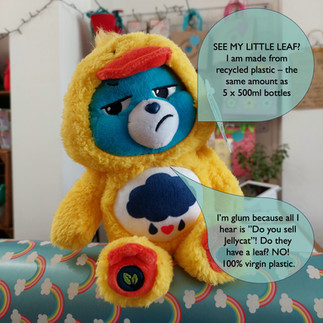
While the soft, luxurious texture of a Jellycat toy is undeniably appealing, few people are aware of what goes into making these toys. "Do you know they’re made from 100% plastic, and only virgin plastic?" I tell customers. The response is almost always the same: surprise, followed by an uncomfortable silence.
But more often than not, their reaction isn’t one of concern. It’s simply a shrug. The desire to own the toy outweighs any awareness of its environmental impact or harm to health. Many customers seem disinterested in my reality check – they hang up or walk away without exploring the other beautiful and conscientious soft-toy options in the shop.
It’s a phenomenon I’ve observed repeatedly: people don’t want to think too deeply about the impact of their purchases, especially when the item in question brings them joy or convenience. And that’s exactly what’s fuelling the mass appeal of these plush toys – the dopamine hit of owning something adorable and "luxurious" outweighs any environmental or ethical concerns, even with a plethora of alternative options.



An Uncomfortable Tradition
I even get asked for Jellycat's for newborns. "They are made from polyester plastic - they are not safe for babies to suck on", I reply.
"I've bought a Jellycat for every baby, so want to do the same for this baby," is their response, showing that even with growing evidence on the dangers of plastic fibres, that tradition is more important than a newborn's health, lungs and the future world they will inherit. The ritual of giving a Jellycat is more important.
A Growing Crisis
We are all ingesting and inhaling microplastics. Are we just hoping they are safe, or is even the remotest possibility they might be toxic so terrifying, that we can’t contemplate it?”
~Kathleen Rogers, President, EARTHDAY.ORG
We are living in the "Plasticene" – an era dominated by plastic, where it’s woven into almost every aspect of modern life. For Millennials and Gen Z parents, the consumption of plastic is still an unconscious way of life, even as the devastating environmental and health implications become more widely known and experienced.
The numbers are stark: Half of all plastic ever made was produced in the last 20 years, and global plastic production continues to accelerate. Yet, despite growing awareness about climate change, plstic waste and the long-term health impacts, our unwillingness to change, seems almost impossible to break.


A customer from the environmental sector once told me that my store was “ahead of its time.” It’s a compliment, yes, but it’s also a sobering statement. Parents who are old enough to be raising children today are witnessing firsthand the effects of a changing planet. Climate change is no longer a distant concept; it’s happening right now, and our consumption habits of toys, are contributing to that crisis. As parents, we have the opportunity - and the responsibility - to set an example for the next generation of consumers and custodians of our planet.
It's time to stop living like cowboys on the frontier, taking whatever we can and ignoring the consequences, and start living like astronauts in space – in a mindset where we recycle, reuse, and rethink before we exploit. There is no Planet B, and we need to start living with a greater sense of responsibility.
We have to rethink how we consume and what it means to live with intention. The future of our planet – and the next generation – depends on it.


Comments